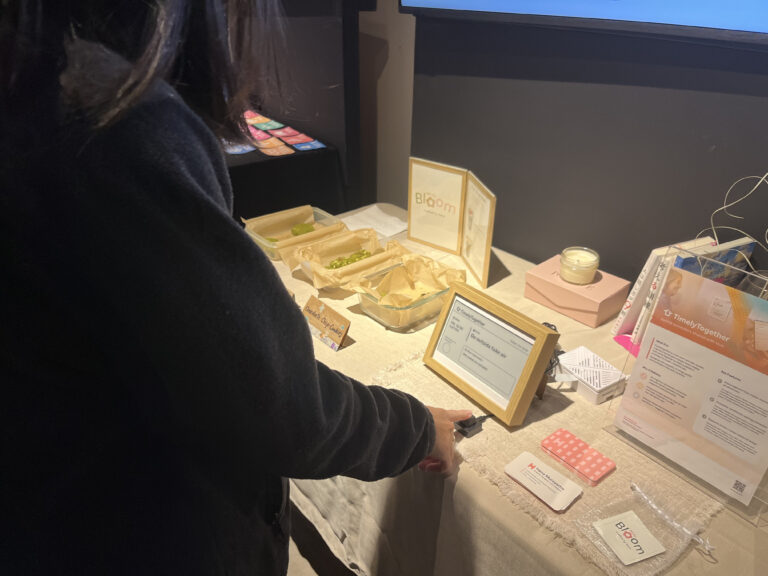
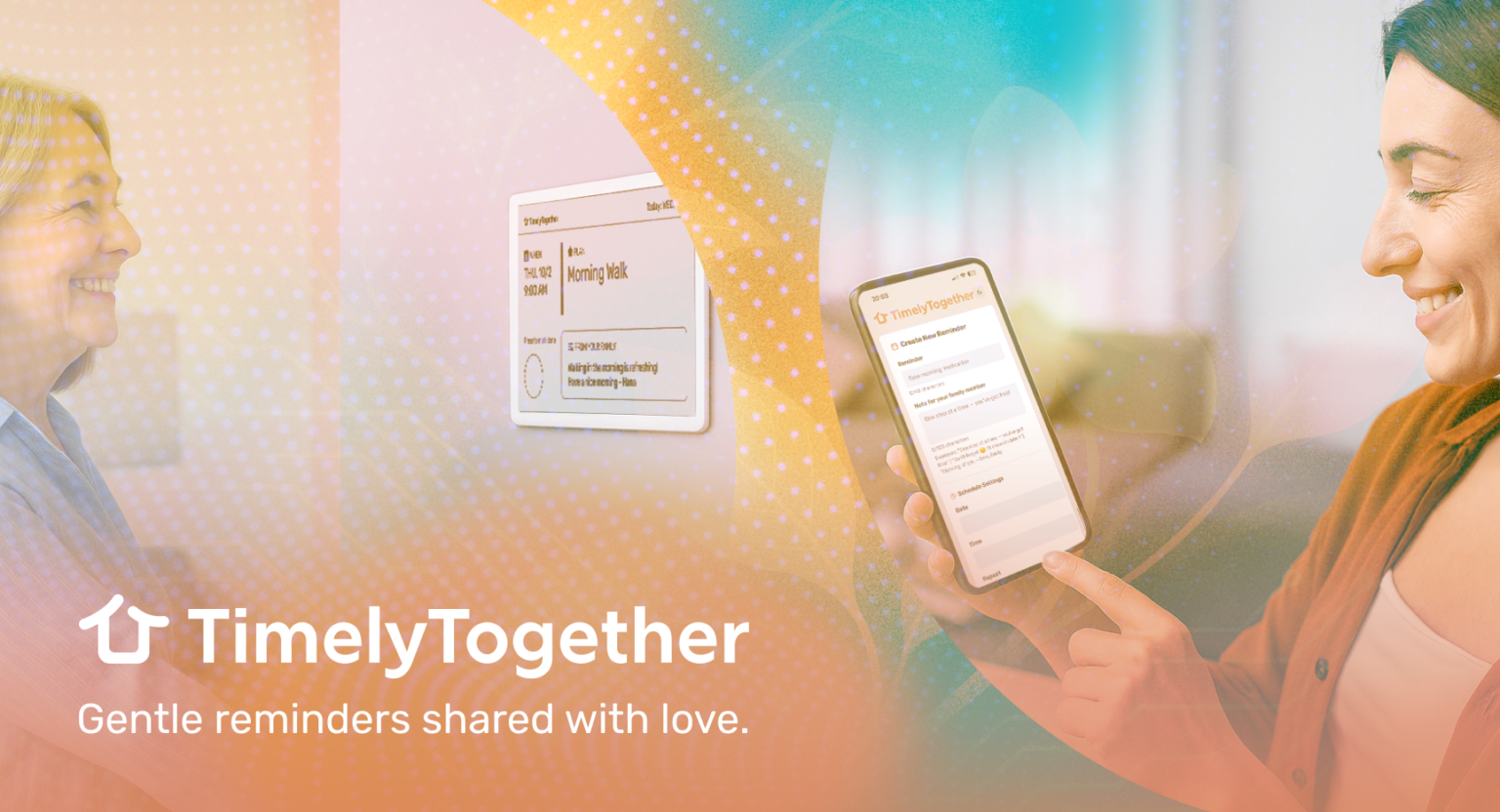
TimelyTogether is a family-guided home system designed to support older adults with gentle reminders while reducing emotional friction between family members.
Rather than another app, it offers an ambient, tactile experience that blends into daily life.
Duration
2025 April – 2025 Dec
Partners
Osher Lifelong Learning Institute, CSULB Gerontology Program
Tools
Figma, Raspberry Pi, VS Code, Web Portal, E Ink Display, Claude, Replit
or follow along below 😉
Problem Statement 🎯
This project was inspired by my own family experiences and daily conversations, leading to a deeper exploration of how older adults and family members experience support, autonomy, and connection in everyday routines through reminders.

Older adults living independently value routine, autonomy, and meaningful family connections, but need a calm, supportive way to manage reminders without feeling nagged or dependent. Many existing reminder tools prioritize efficiency over encouragement.

Family members supporting aging parents or grandparents need a way to share reminders and support without constant check-ins or emotional strain, because repeated verbal reminders can feel intrusive and often create tension.
User Research 🔍
User research was conducted through surveys with 268 older adults from Osher Lifelong Learning Institute and 21 adults representing the family perspective to understand how reminders are managed, how comfortable users feel with existing technologies, and how these interactions impact emotional well-being and family relationships.
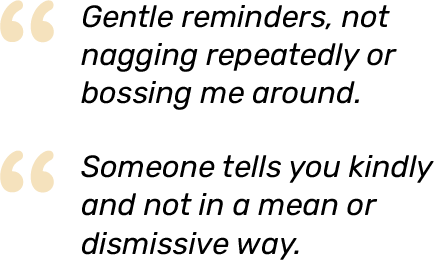
Forgetting impacts confidence, not just memory
Insight
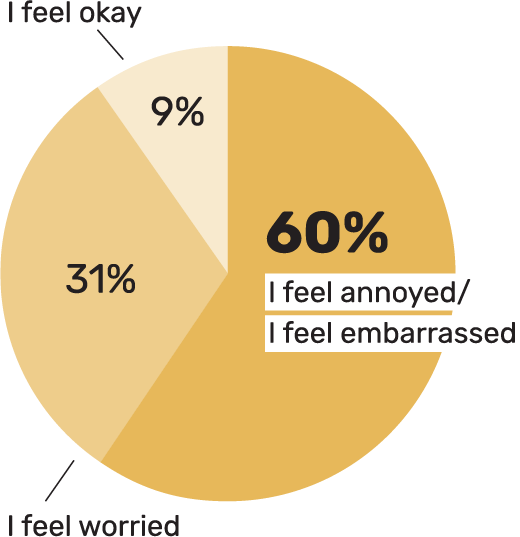
60% reported feeling annoyed or embarrassed when they forget something.
Even when using calendars or planners, many older adults experience emotional stress
Design implication
Reminders should feel reassuring and supportive rather than corrective.
Family reminders can feel like nagging
Insight
Participant feedback showed that tone and emotional framing matter as much as the reminder itself, and repeated verbal reminders can create tension.
Design implication
The system should reduce repeated prompting and allow care to be expressed gently.
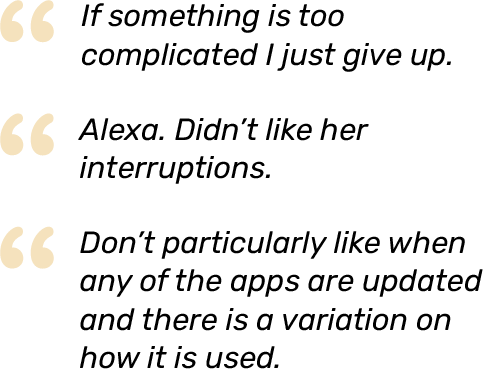
Current technology disrupts established habits
Insight
One in five participants reported frustration with voice assistants, and several described stopping app use due to complexity or interface updates.
Design implication
The solution should integrate into existing habits and remain consistent over time.
Design Approach 📚
TimelyTogether was developed using User-Centered Design approach and the Double Diamond methodology, with a focus on emotional sensitivity, accessibility, and real-world use.
Functional Prototype 🌟
TimelyTogether is a connected physical–digital system designed to support gentle, emotionally thoughtful reminders between family members and older adults. The following components work together to enable everyday support that feels calm, simple, and human.

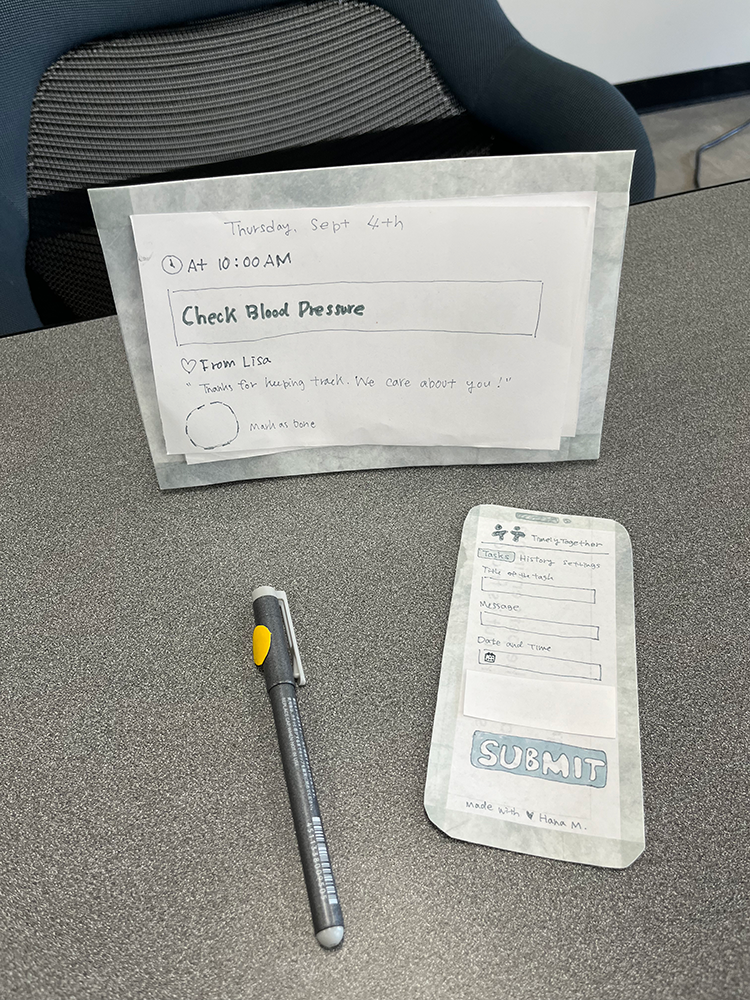
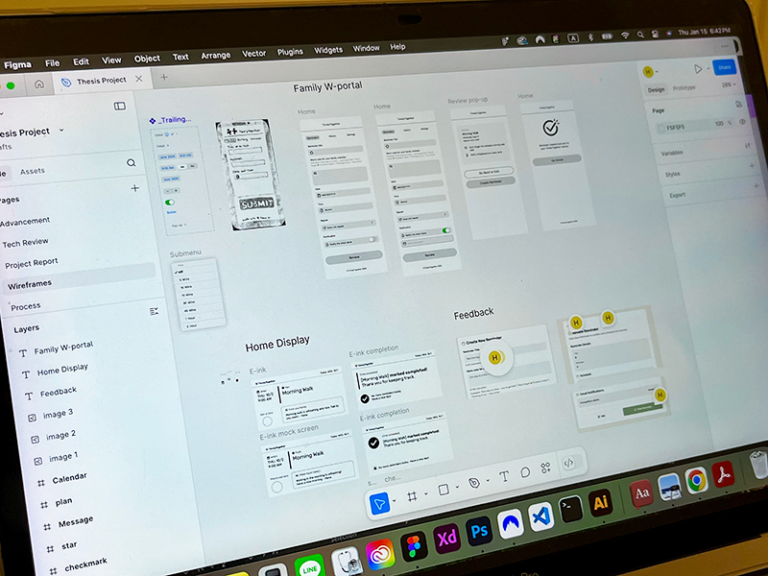
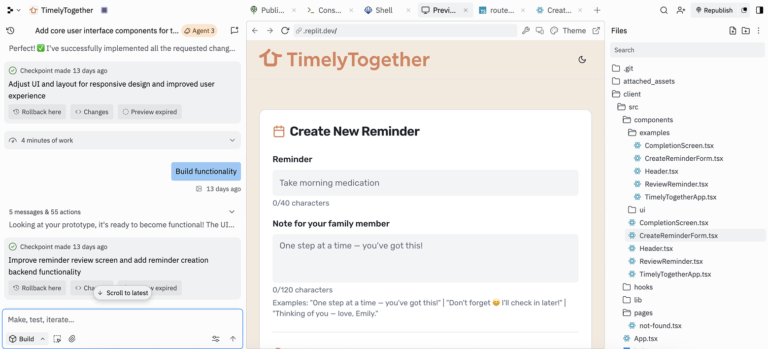
Family members schedule reminders and send short, supportive notes for their loved ones through a simple, focused interface.
The portal encourages brief moments of reflection as messages are written, helping support feel thoughtful without adding effort.
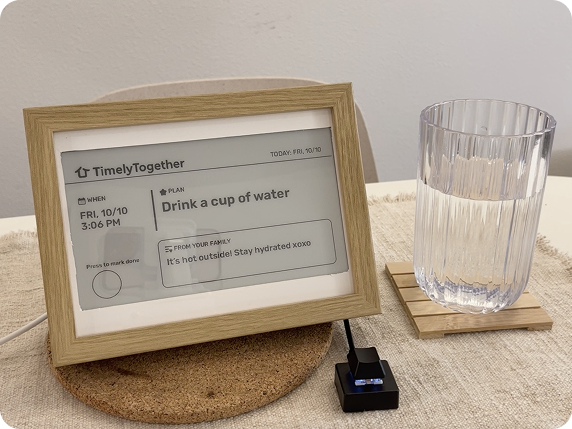
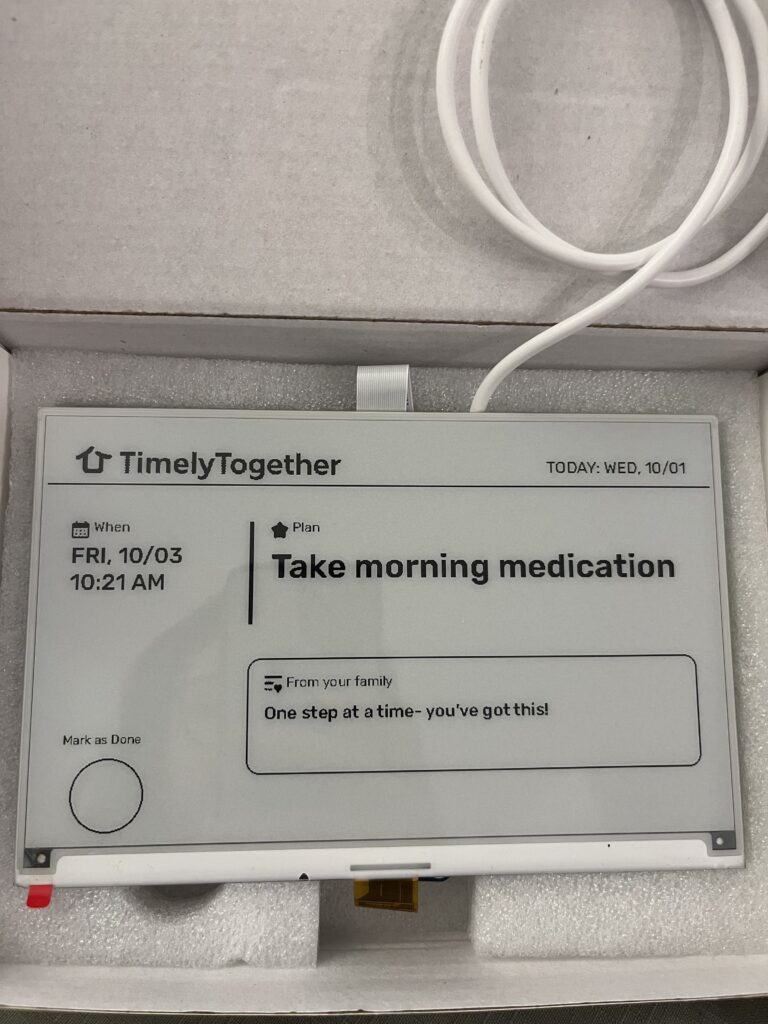
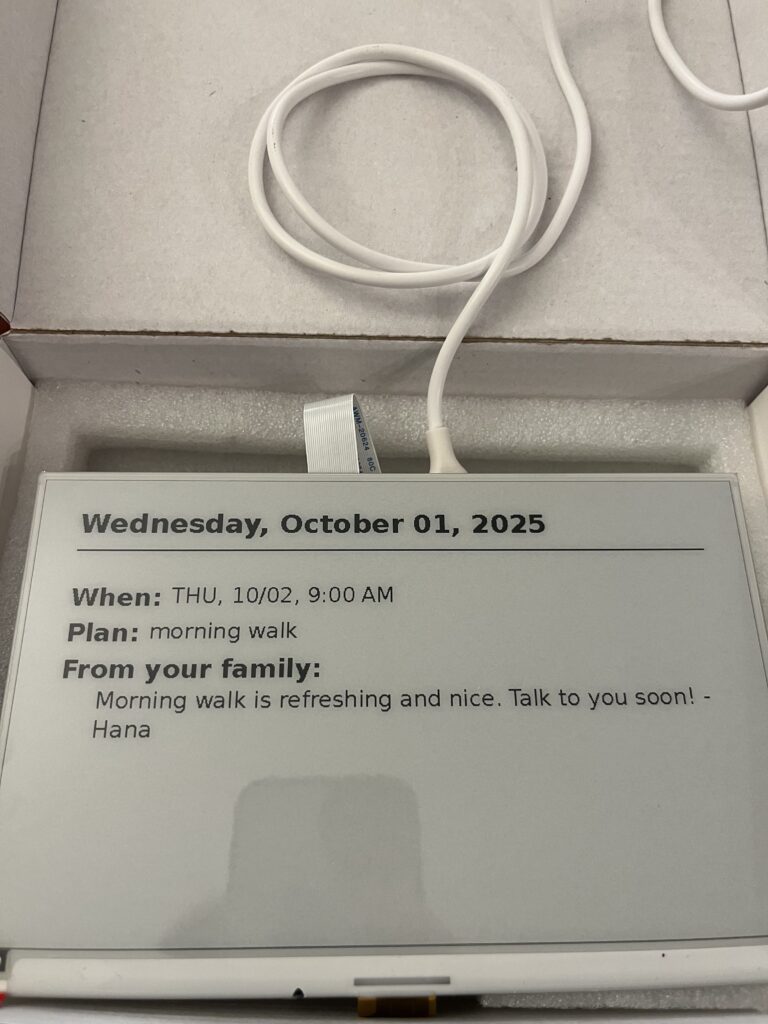
Reminders and messages appear on a home display designed to blend naturally into the older adult’s living space and remain within sight throughout the day.
Older adults acknowledge reminders using a physical button, keeping interactions encouraging and low-effort while reducing daily friction and supporting family connection.
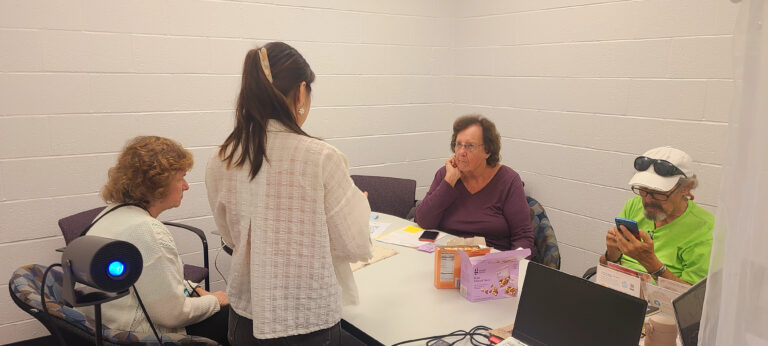
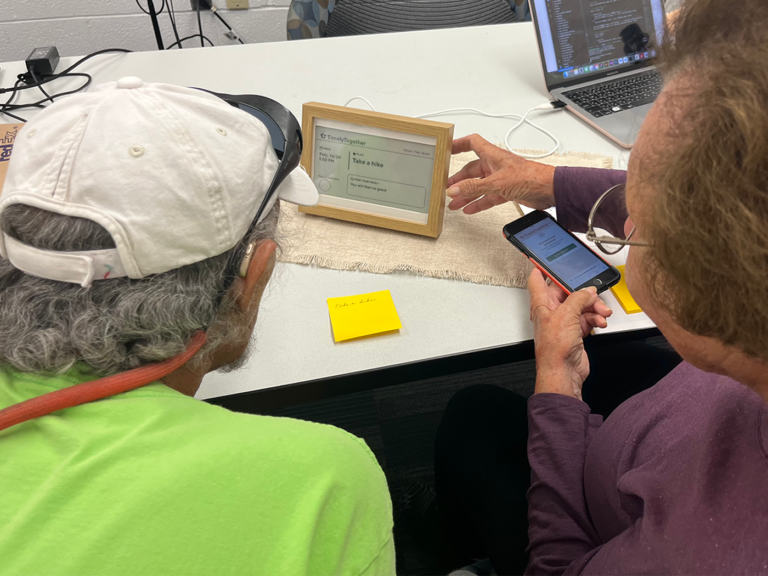
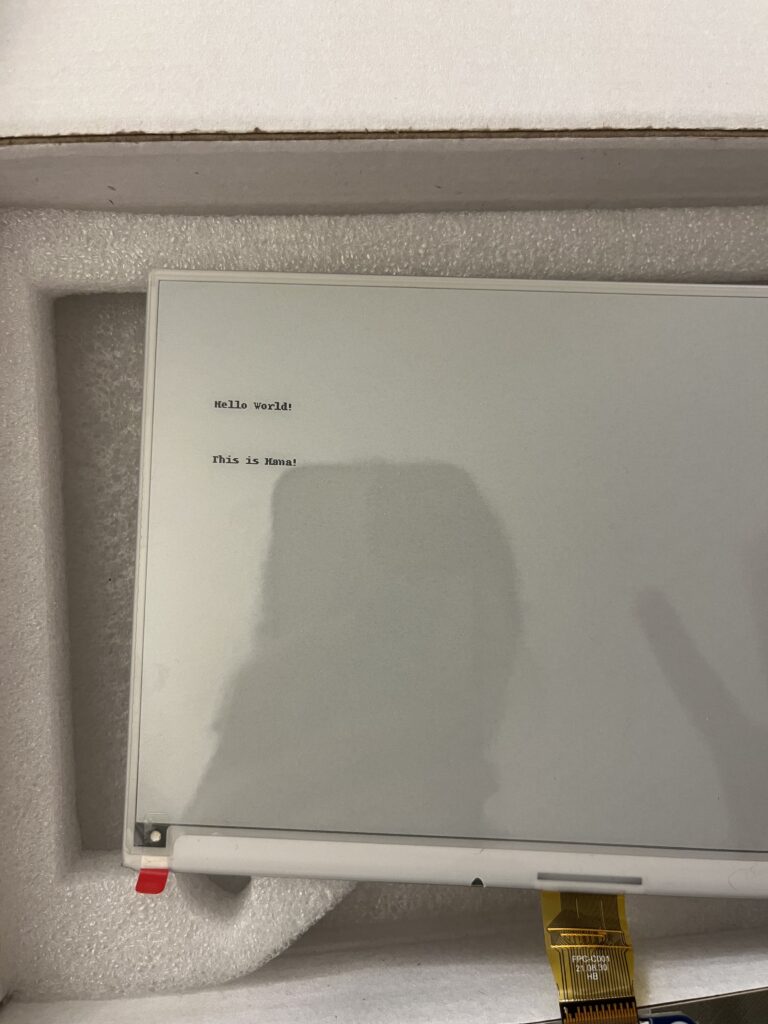
The home device uses an E-Ink display that reflects ambient light like paper, reducing glare and eye strain. During usability testing, one participant shared that screens often cause fatigue, reinforcing the importance of minimizing backlit displays for this audience.
Also, during iteration, text size and layout were adjusted to improve legibility, and usability testing indicated that participants were able to read the content comfortably.
Next Steps 🌱
This project was my first opportunity to test a product with users beyond an academic setting. It reinforced the value of user research and direct engagement with users in grounding design decisions in real feedback.
The process also highlighted how AI tools can support rapid prototyping, enabling the development of both a functional web portal and a working home device.
If developed further, I would continue applying the UCD approach by involving users throughout ongoing iteration, including testing in real household environments.
I would also expand the scope through collaboration with engineers to refine the TimelyTogether system for long-term use.
Behind the Scenes 👩🏻💻